 ×
×
Against the backdrop of surging global demand for sustainable, cost-efficient energy storage systems, sodium-ion (Na-ion) batteries have solidified their position as a formidable alternative to conventional lithium-ion technologies. Boasting abundant raw material reserves, superior safety characteristics, and benchmark-matching performance parameters, Na-ion batteries are accelerating their penetration across diverse industrial sectors—spanning renewable energy grid integration, electric mobility ecosystems, consumer electronics, and utility-scale energy storage applications.However, with an expanding array of models and specifications now available on the market, selecting the right sodium-ion battery can be a complex decision. This guide aims to help engineers, procurement managers, and system integrators navigate key considerations when choosing the optimal Na-ion battery model for their specific application.
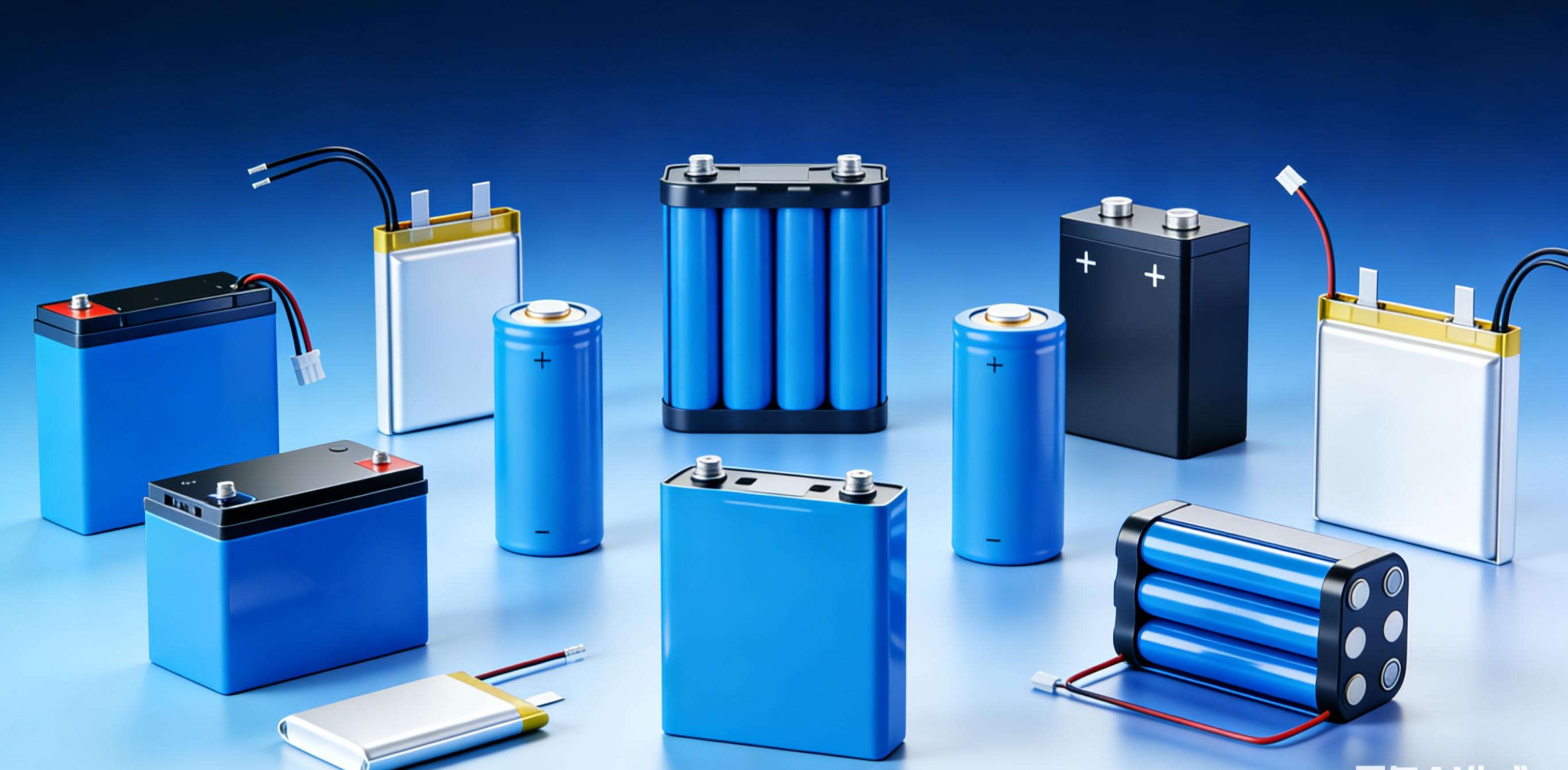
The first and most critical step is to clearly define your use case. Are you designing a stationary energy storage system (ESS) for solar farms? Building a light electric vehicle (LEV) such as an e-bike or scooter? Or perhaps integrating backup power for telecom infrastructure? Each application imposes different demands on battery performance:
- Energy Density vs. Power Density: Stationary storage prioritizes high energy density and long cycle life over compact size, whereas mobility applications often require higher power density for acceleration and regenerative braking.
- Operating Temperature Range: Industrial or outdoor deployments may expose batteries to extreme temperatures. Ensure the selected Na-ion model maintains stable performance in your environment—many modern Na-ion chemistries operate reliably between -20°C and 60°C.
- Cycle Life Expectations: Grid storage systems typically demand 5,000+ cycles, while consumer devices may only need 1,000–2,000 cycles. Verify the manufacturer’s cycle life data under realistic depth-of-discharge (DoD) conditions.
Once your application needs are clear, compare technical specs across available Na-ion models:
- Nominal Voltage: Most Na-ion cells operate at 3.0–3.2V, slightly lower than lithium iron phosphate (LFP) cells (~3.2V). This affects how many cells you’ll need in series for a given pack voltage.
- Capacity (Ah): Choose a cell capacity that aligns with your energy requirements without excessive oversizing, which increases cost and footprint.
- C-Rate Capability: The charge/discharge rate (e.g., 1C, 2C) indicates how quickly energy can be delivered or absorbed. High-C-rate models suit fast-charging EVs or frequency regulation services.
- Internal Resistance: Lower resistance improves efficiency and reduces heat generation—critical for densely packed systems.
One of sodium-ion’s greatest advantages is its inherent safety. Unlike some lithium-based chemistries, Na-ion batteries are less prone to thermal runaway and can use aluminum current collectors on both electrodes, reducing fire risk. Still, not all Na-ion models are created equal. Look for certifications such as UL 9540, IEC 62619, or UN 38.3, which validate safety under stress conditions like overcharge, short circuit, and crush tests. Additionally, inquire about built-in battery management system (BMS) features—cell balancing, temperature monitoring, and fault detection are essential for long-term reliability.
While upfront cost per kWh matters for initial budgeting, savvy buyers and project operators focus on Total Cost of Ownership (TCO) across the battery’s lifecycle. Sodium-ion batteries boast inherent cost benefits: sodium is over 500 times more abundant than lithium, avoiding supply shortages, and they exclude high-cost, ethically questionable metals like cobalt and nickel. TCO calculation must include indirect costs—such as large-scale system customization for installation, routine maintenance, cycle life-determined replacement cycles, and end-of-life recycling. For long-term applications (e.g., grid storage, industrial backup power), a slightly pricier sodium-ion battery with 20% longer cycle life and lower maintenance needs delivers far better ROI.
The sodium-ion battery ecosystem is still maturing, so supply chain stability and manufacturer credibility are key for cooperation. Partner with vertically integrated manufacturers—covering raw material sourcing, electrode production, cell assembly, and testing—to ensure strict quality control and stable supply. Prioritize enterprises with rigorous, consistent quality management systems and transparent test data (cycle life, thermal stability, capacity retention). Request third-party validation reports from authoritative institutions and real-world cases (e.g., grid storage, electric mobility pilots). R&D and scale-up focused manufacturers (CATL, HiNa Battery, Northvolt’s new sodium-ion projects) offer more reliable products and adapt to future tech upgrades.
Will your system expand in the future? Choose modular battery designs that allow easy stacking or parallel connection. Also, ensure compatibility with existing inverters, chargers, and software platforms. Open communication protocols (e.g., CAN bus, Modbus) simplify integration and remote monitoring.
In conclusion, selecting the right sodium-ion battery model isn’t just about matching voltage and capacity—it’s about aligning chemistry, safety, economics, and scalability with your project’s unique goals. As the technology advances, early adopters who make informed choices today will lead the next wave of clean energy innovation tomorrow. Consult with trusted suppliers, request sample testing, and leverage pilot deployments to validate performance before full-scale rollout. With the right Na-ion battery, you’re not just storing energy—you’re powering a more sustainable, resilient, and affordable future.
Juguang Industrial Zone, Tiancheng Sub-district, Yueqing City, Wenzhou City, Zhejiang Province.
Copyright © Zhejiang Mingtu Electrical Technology Co., Ltd All Rights Reserved Privacy Policy Blog

 EN
EN


 Hot News