
 EN
EN


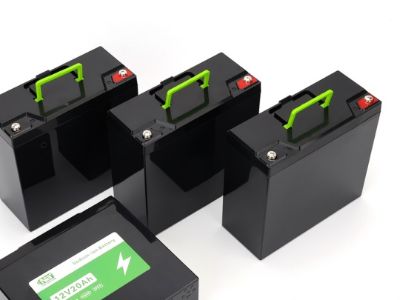
When picking Na-ion batteries for microgrid uses, its good to know their special benefits. Na-ion batteries works well because they uses sodium, which is plenty and costs less than lithium. This make them easier to get for lots of projects. Microgrids are small setups that can run on their own or connect to the big power grid. They needs solid energy storage, and Na-ion batteries can assist with that. They store power from green sources like solar and wind, so they fits for eco solutions. Companies such as Mingtu make high-quality na ion battery just for these, making sure your microgrid runs smooth and effective.
How to Pick the Best Na-ion Battery for Your Microgrid?
Choosing the right Na-ion battery for your microgrid ain't just about the cost. First off, look at the battery capacity. That shows how much energy it can hold. If your microgrid has to power key systems during high demand, you needs one with bigger capacity. Then, consider the discharge rate. This is how quick the battery releases energy when you need it. A faster discharge rate might be needed for jobs that want sudden energy bursts. Next, check cycle life. It tell you how many charge-discharge cycles before performance falls. For microgrids, longer cycle life means fewer swaps and cheaper long-term costs. Also, note the operating temperature range. If your area is hot or cold, ensure the battery handles those temps. Last, think about the maker's rep. Mingtu, say, has solid experience in na battery with good results. You want something reliable from a trusted place.
Where to Get Wholesale Na-ion Batteries for Microgrids?
Getting wholesale Na-ion batteries can be simpler than you think. Start with online sites that deals in industrial stuff. These places usually has lots of choices from various makers, including Mingtu. You can compare costs and specs to find what suits your needs. Another way is trade shows or industry meets. These are good for talking to suppliers in person and learning about products. You can ask stuff directly and maybe haggle for better deals. Many makers have websites where you request quotes for big orders. Mingtu often gives special offers for bulk buys, which saves cash. Don't forget local suppliers too. Buying close by can cut shipping and wait times. Before big buys, read reviews or get refs to make sure the supplier is solid and has decent service. That way, you feels sure about getting good batteries that supports your microgrid well.
What Buyers Need to Know?
When considering Na-ion batteries for microgrid apps, there are key points to get. First, Na-ion batteries uses sodium not lithium. Sodium comes from salt and is way cheaper and more common than lithium. So, natrium ion battery can be a budget-friendly pick. Buyers should also know how they operate. Na-ion batteries saves energy by shifting sodium ions between electrodes. This process is like lithium-ion ones, but materials and chemicals are different.
In addition, performance is another big thing for buyers. These batteries works okay in various temps, so they useful in many spots. They can last long too, meaning less replacements. But, keep in mind Na-ion batteries might not hold as much energy as some others. Thats something to consider if your microgrid needs lots of power.
Buyers should think about the enviroment as well. Na-ion batteries are greener because sodium is easy to find and mining don't hurt the planet much. Picking eco batteries matters for folks these days. Last, look for firms like Mingtu with strong support. If issues come up or you got questions, its nice to have help ready. Overall, knowing this helps buyers choose smart for their microgrid.
What Makes Na-ion Batteries Special for Microgrid Tech?
Na-ion batteries is changing things up for microgrid tech in cool ways. First, cost. Since sodium costs less than lithium, Na-ion batteries can be cheaper to make. This lets microgrid systems build at lower price, so communities can easier invest in clean energy. When savings on storage happen, they can use money for other stuff like schools.
Another reason they special is sustainability. Sodium is abundant everywhere, so it cuts need for rare stuff. This leads to better future with less environmental harm from storage. They helps reduce impact, good for planet lovers.
Na-ion batteries also got solid performance. They gives steady power over time, which microgrids needs for constant supply. Day or night, they ensures homes and biz have electricity. Plus, they works in different weathers, reliable in tough climates.
With this, as tech gets better, Na-ion batteries becomes more efficient. They can store and release energy nicer now. Companies like Mingtu leads in special designs, so expect improvements. This means more folks will use them in microgrids, boosting renewable like wind and solar.
How to Make the Most of Na-ion Batteries in Microgrids?
To get best from Na-ion batteries in microgrids, think about using them right. First, planning matters. When setting up, figure energy needs and when you will need it. By knowing usage patterns, you can size the battery system proper. So, it stores enough without being oversized or undersized.
So, another way to optimize is smart tech. Controllers can manage storage and use times. For instance, daytime solar excess goes to batteries. Then night, draw from them when solar off. This keeps energy efficient and costs down.
Maintenance helps too for better performance. Regular looks can catch problems early. Cleaning batteries and keeping good shape extends life. Mingtu provides help and tips for users, easier to run smooth.
Last, mix Na-ion with other sources. Like wind and solar with batteries makes reliable setup. Multiple sources makes microgrid tougher against demand changes. This combo leads to sustainable energy that benefits the community.