
 EN
EN


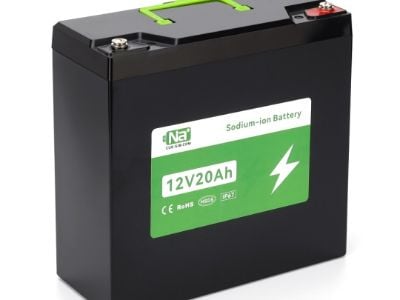
When using Na-ion batteries, its important to understand how their voltage need to match what your system require. This help ensure that everything work smooth and efficient. Na-ion batteries are getting popular as alternative to lithium-ion ones. They got some great benefits, like made from more common materials. But if the voltage isn't right, it can cause issues in performance or even harm. So, knowing how to match the battery voltage with your system is key. At Mingtu, we pride ourselves in helping you choose right for your na ion battery needs.
Where to Find Reliable Na-ion Battery Voltage Specs for Wholesale?
Finding the right specs for Na-ion batteries is essential, specially for bulk buys. First step is to check the maker's website. Mingtu give clear and detail specs for all our batteries, including voltage ratings. You should look at the product datasheet, which often have info on voltage ranges and other key stuff. If you unsure or need more details, customer service can help. You can ask about the voltage specs or any other worries you got.
Another good spot for voltage specs is industry mags and trade shows. These events show off latest tech and special ideas, including Na-ion batteries. By going, you can chat direct with makers and learn about their products. You might get brochures that contain detailed specs. Make sure take notes on voltage ratings when you find a battery that suit your needs.
Online places like B2B sites can help too. You can find many suppliers offering natrium ion battery. Look for ones who provide lots of info about their products. Customer reviews can guide you to pick a reliable supplier. Remember, its crucial to check that the voltage match what your system needs before buying.
For wholesale, partnering with a trusted company like Mingtu can be big plus. We make sure our batteries meet high standards, so you feel confident. By knowing where to find reliable specs, you can make smart decisions and avoid problems later.
How to Optimize Na-ion Battery Voltage for Better System Performance?
Optimizing the voltage of your Na-ion battery is key for getting best performance from your system. First, always confirm the voltage needs of your system. Each device or machine might require specific voltage to work proper. For example, if your system need 3.7 volts, a battery that give 3.3 volts might not work good. It can make the device underperform or fail to start.
Once you know the required voltage, you can adjust the battery setup. Sometimes this involve using battery management systems (BMS). BMS help monitor the battery voltage and keep it in right range. Putting in a BMS can boost performance a lot and even make the battery last longer.
With this, check the connections too. Loose or rusty connections can cause voltage drops. Make sure all wiring is secure and clean. This easy step can impact how well your system run.
Also, think about the temperature in your work area. Extreme heat or cold can affect battery voltage. Best to keep Na-ion batteries in stable spot. If your system work in changing temps, consider insulation or protective covers.
Last, regular checkups is important. Over time, batteries degrade, which may lead to voltage problems. Checking battery health now and then can catch issues early. At Mingtu, we focus on high-quality Na-ion batteries and support so you get the performance needed. By optimizing voltage well, you can keep your system running smooth and efficient.
What Voltage Range to Consider for Na-ion Battery Uses?
When thinking of using Na-ion batteries, you need to know what voltage range fit. Voltage is like the power that help the battery work with devices. Na-ion batteries usually range between 2.5 to 4.0 volts per cell. This range matter because it provide right energy for various uses. For small gadget like remote control, you might need lower voltage. But for bigger like electric bike or solar setup, higher voltage is needed.
At Mingtu, we think choosing right voltage for your needs is crucial. If you use battery with too low voltage, it might not work proper. On other hand, too high voltage could damage your device. So, understanding the voltage needs of your application is first step to good choice. You should also think how many cells to connect. When connect more in series, voltage goes up. For instance, three cells at 3.7 volts each give total 11.1 volts. Knowing how to combine cells help get right voltage for system.
And keep in mind, temperature can affect Na-ion battery voltage. If too hot or cold, the battery might not perform well. So, when planning your system, always consider the environment. By thinking these factors, you can make sure your Na-ion battery work perfect for needs.
How to Assess Voltage Needs of Na-ion Batteries for Different Systems?
To figure voltage requirements for Na-ion batteries, first know what your system is. Different devices have various energy needs. For example, smartphone may need around 3.7 volts, while electric vehicle require much more, like 400 volts! At Mingtu, we suggest start by checking user manual or device specs. This tell you exact voltage for each.
Next, think about connecting the batteries. If need higher voltage, connect multiple Na-ion cells in series. That mean positive of one to negative of next. For example, three at 3.7 volts give 11.1 total. But if system only need 5 volts, thats too much power! Thats why match voltage close to what system needs is essential.
You also consider energy over time, called capacity in ampere-hours (Ah). Device needing lots of power long time will require higher capacity battery. So, when assessing voltage, think both voltage and capacity. Read device energy needs and ensure the Na-ion battery meet them. This avoid problems later. By these steps, your Na-ion battery will work effective for specific system.
Common Misconceptions About Na-ion Battery Voltage and System Fit
Many people got wrong ideas about Na-ion batteries, specially on voltage and how they fit systems. One common mistake is thinking all batteries with same voltage can swap easy. For example, two at 3.7 volts doesn't mean they work same. At Mingtu, we clarify that different batteries have various chemical makeups, capacities, and discharge rates. So they may perform different even same voltage.
Another wrong idea is higher voltage always mean better. While some apps need higher, using too high voltage can damage device. For instance, 12-volt Na-ion on 5-volt device might fry it! Always check system voltage needs before pick battery.
Some think Na-ion batteries not as good as lithium-ion. While lithium-ion been around longer and used wide, Na-ion have advantages. They often cheaper and from abundant materials. Plus, they can be great for many uses, specially where cost matter.
In summary, understanding voltage needs and how Na-ion batteries integrate is key for good use. By clearing these wrong ideas, you make better choices for battery. Always check specs, consider voltage and capacity, and think how battery fit device. With right knowledge, you can use Na-ion batteries safe and effective!
Table of Contents
- Where to Find Reliable Na-ion Battery Voltage Specs for Wholesale?
- How to Optimize Na-ion Battery Voltage for Better System Performance?
- What Voltage Range to Consider for Na-ion Battery Uses?
- How to Assess Voltage Needs of Na-ion Batteries for Different Systems?
- Common Misconceptions About Na-ion Battery Voltage and System Fit