
 EN
EN



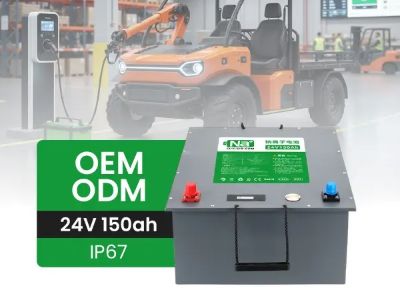
Sodium-ion batteries are becoming key for smart cities. They are a special kind of battery that stores energy. Unlike lithium-ion batteries, which are more usual, sodium-ion ones use sodium, a material that is more common and cheaper. This makes them a nice option for cities wanting to get smarter and greener. Companies like Mingtu are working to build these batteries. Smart cities need solid energy storage to run things like streetlights, traffic signals, and electric buses. The sodium ion battery could improve these technologies and support cleaner surroundings. They can hold energy from renewable sources such as solar and wind, making them great for cities that aim to be more eco-friendly.
What Are Sodium-Ion Batteries and Their Role in Smart City Setup?
Sodium-ion batteries use sodium ions that move between two electrodes to hold and release energy. These batteries work like lithium-ion ones but with sodium instead of lithium. This matters because sodium is plentiful and low-cost. In a smart city, these batteries can provide backup power for different systems. For instance, streetlights with solar panels can save extra power in sodium-ion batteries during the day. At night, the saved energy lights the streets without pulling more power from the grid. Also, sodium-ion batteries are safer than lithium ones. They are less likely to catch fire or explode, which helps with public safety. In smart cities, we can use them to support electric vehicles (EVs). As more folks use EVs, charging stations will need more energy. Sodium-ion batteries can store energy for them. They also balance grid loads, ensuring power during peak times. With better energy storage, cities can manage resources well. That’s why sodium battery play a big role in running smart cities efficiently and sustainably.
What Makes Sodium-Ion Batteries Good for Sustainable City Growth?
Sodium-ion batteries fit well with sustainable urban goals. One main reason is that they are made from materials that are easier to get and cheaper than lithium. This lets cities save cash while getting the energy storage they need. Thinking about the environment, sodium-ion batteries have a lower impact. They help cities depend more on renewable energy like solar and wind. These sources are clean and do not pollute the air or water. Sodium-ion batteries store energy when it is sunny or windy and make it available when those sources are not producing. This cuts the need for fossil fuels that harm our planet. Another reason why sodium-ion batteries suit smart cities is their long life. They last longer than older batteries, so cities replace them less often. This creates less waste and helps keep the surroundings clean. As cities grow and become smarter, they need solutions that are good for both now and later. Sodium-ion batteries match this idea. They support a cleaner, greener, and more efficient vision for cities. Mingtu thinks battery sodium can shape a sustainable future for smart cities.
How to Pick the Best Sodium-Ion Batteries for Smart City Uses?
Choosing the right battery for smart cities is very important. Sodium-ion batteries are a great pick for lots of reasons. First, they are made from sodium, which is easy to find and not expensive. This makes them cheaper than lithium-ion batteries. When finding the best sodium-ion batteries, think about some factors. One big factor is capacity. This shows how much energy the battery holds. A higher-capacity battery can power more equipment for a longer time. For smart city applications, you want batteries that hold enough energy for streetlights, traffic signals, and public transport.
Another thing to look at is lifespan. That means how long the battery lasts before it needs replacement. Longer-lasting batteries are better because they save money in the long term. Find sodium-ion batteries that last for years without losing much storage power. Safety matters too. You want batteries that do not catch fire or explode. Sodium-ion batteries are safer than some others, but check safety certifications anyway.
In addition, think about how easy the batteries are to recycle. Recycling helps protect the environment and save resources. Companies like Mingtu make sodium-ion batteries that are easier to recycle. Lastly, see how the batteries perform in different temperatures. Cities can have hot or cold weather, so batteries need to perform well in all conditions. By keeping these things in mind, you can pick the best sodium-ion batteries for smart city applications and help build a cleaner, more efficient world.
How Sodium-Ion Technology Boosts Renewable Energy in Cities?
Sodium-ion technology helps cities use more renewable energy. Renewable energy comes from sources that do not run out, like the sun and wind. But there is a problem: the sun does not always shine, and the wind does not always blow. So sometimes energy is available, and sometimes it is not. Sodium-ion batteries store this energy for later use. When the sun shines or the wind blows, energy is collected and saved in the batteries. Then, when it is needed, the stored energy can be used.
This is key for smart cities that want to be eco-friendly. By using sodium-ion batteries, cities can reduce their dependence on fossil fuels, which are bad for the environment. Mingtu works to provide sodium-ion batteries that store renewable energy effectively. These batteries can power homes, schools, and businesses, so everyone has energy even during bad weather.
So, sodium-ion batteries work well with solar panels and wind turbines. They charge and discharge quickly, making them good for balancing energy supply and demand. For example, if a city has many solar panels, it can use sodium-ion batteries to store extra energy during the day. Then it can use that energy at night when there is no sun. This helps keep the city running smoothly and ensures power is always available.
With this, sodium-ion batteries can also create jobs in the area. As cities invest in renewable energy and battery technology, they need people to make, install, and maintain these systems. This creates new work opportunities for local communities. Overall, sodium-ion technology is vital for greener and more sustainable cities with reliable energy.
Where to Get Cheap Sodium-Ion Batteries for Big Projects?
Getting affordable sodium-ion batteries for big projects is a must for cities developing smart technologies. The good news is that many choices are available. First, look for manufacturers that specialize in sodium-ion technology. Companies like Mingtu are committed to providing high-quality, low-cost batteries. When picking a supplier, look at their reputation and experience. A supplier with a good track record is more likely to provide solid products.
Next, buy in bulk. Many manufacturers offer discounts on large orders. If a city plans to use sodium-ion batteries for many projects, buying in bulk can save a lot of money. It is also a good idea to compare prices from different suppliers. This helps find the best deals and the best value for your money.
Another way to get affordable sodium-ion batteries is to check for government grants or support programs. Some governments provide funding for renewable energy projects, which can help cover battery costs. Researching local or national green technology programs can help you find funding that makes purchasing easier.
Also, work with local suppliers. Sometimes local suppliers offer better prices and faster delivery than larger companies. Building relationships with local suppliers can lead to long-term benefits, such as better service or discounts.
Lastly, keep up with new developments in sodium-ion technology. As the technology improves and becomes more popular, prices may drop. Watching the market can help you make smart purchasing decisions. By exploring these options, cities can find affordable sodium-ion batteries for large projects, making smart city plans more achievable and sustainable.
Table of Contents
- What Are Sodium-Ion Batteries and Their Role in Smart City Setup?
- What Makes Sodium-Ion Batteries Good for Sustainable City Growth?
- How to Pick the Best Sodium-Ion Batteries for Smart City Uses?
- How Sodium-Ion Technology Boosts Renewable Energy in Cities?
- Where to Get Cheap Sodium-Ion Batteries for Big Projects?