
 EN
EN



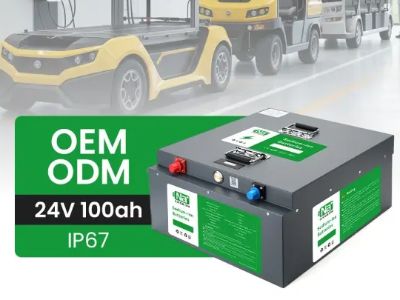
Sodium-ion batteries are getting popular for energy setups that use stuff like solar or wind power. They are key because they can hold energy when there's plenty and give it out later when you need it. This makes energy more steady and saves time. Mingtu focuses on giving good sodium ion battery for these kinds of systems. Picking the right one matters, and knowing where to get them makes it simpler.
Where to Get Good Sodium-ion Batteries for Bulk Buying?
So if you're hunting for sodium-ion batteries, find a solid seller first. Mingtu has a nice range of these that you can grab in large amounts. Check their site or call the sales folks to see what matches your setup. Lots of places sell batteries, but they aren't all the same. Look for a name with a solid reputation, like Mingtu, who make tough and well-working battery sodium. Buying wholesale often gets you cheaper prices, which helps for businesses or big projects needing many batteries. Always look at the specs to see if they fit what you want. In addition, read some reviews or ask people in your field about suppliers. Besides web buys, trade shows can let you meet sellers and hear about new battery tech. You can chat with reps, ask questions, and look at batteries up close. Networking with energy pros can give tips on good ones too. That's why you should consider the warranty and help after buying; it helps if problems pop up. Picking Mingtu for your needs is a way to get a strong energy fix for projects.
How to Fix Usual Problems with Sodium-ion Batteries?
Using sodium-ion batteries sometimes brings troubles. One thing is they might not work great in super cold or hot spots. If your area has big temperature swings, keep them in a steady place. Insulation can protect them from extremes. Another problem is the battery life. Sodium-ion ones last long, but maybe not as much as lithium kinds. Do regular checkups to make them last more. Watch their health now and then to spot issues early. Read the manual for care tips. Also, use the correct charger for these batteries. The wrong one can hurt them or make them run poorly. Planning a backup power source can help with these issues. If batteries don't do well, another source keeps the power on. Train your team on using and caring for them to avoid mistakes and make them last. Mingtu gives guides and help to get the most from their sodium based battery. Be ahead and know your stuff, so you enjoy the good parts while cutting down issues.
How to Pick the Best Sodium-ion Battery for Your Mixed Energy Setup?
When thinking of new energy ways, sodium-ion batteries become a good pick. They help run mixed systems, like solar and wind together. But how do you choose the right one? First, figure out your power amount. Batteries hold different energy levels. For big machines or many small things, get one that stores enough. Next, think about how long you need it to run. Some last for hours, while others last for a shorter time. This matters for night use or low-wind times.
It is also good to see the lifespan before replacement. Some go for years, while others wear out fast. That affects long-term costs. Check temperature handling too. In hot or cold areas, make sure it works there. Finally, see if it is easy to buy. Mingtu sells various sodium-ion batteries, so finding what you need is simpler. With this, you can choose smartly for your mixed system to run smoothly.
What Makes Sodium-ion Batteries Special for Mixed Energy Systems?
Sodium-ion batteries change how we see energy storage, especially in mixed setups. The best part is they use sodium, which is cheaper and easier to get than lithium in today's batteries. This means more affordable and greener options. Sodium is everywhere, so it cuts dependence on rare materials. That makes them smart for tomorrow.
Another plus is they work in many situations. They store energy from the sun or wind and release it when needed most. This flexibility makes them fit for mixed energy systems where sources are combined. For instance, on a sunny day, batteries charge from panels. Then at night, they give power to keep things going. Mingtu leads in improving these batteries, making them perform better and last longer.
Lastly, they are getting more effective. They charge and give out power fast, so energy comes quickly when demand changes. This is key for systems needing a fast response. Overall, sodium-ion batteries change the game as affordable, flexible, and high-performing solutions. They let us use energy better for both the environment and our wallets.
How to Get More from Sodium-ion Batteries in Mixed Energy Uses?
To squeeze the maximum from sodium-ion batteries in mixed energy systems, focus on some key areas. First, use the right tools for managing charging and discharging. A solid energy management system helps track usage and timing. So you charge when energy is plentiful, like on sunny or windy days. This stores power for times of need, making the setup better. Mingtu has solutions to keep things running smoothly.
Another way is to mix them with other energy sources. Say, link solar panels to batteries for charging during the day. At night, the batteries power things up. This cuts reliance on old energy sources, which cost more and are less green. Look at storage systems that hold more energy to make managing usage easier.
Finally, do regular upkeep. Just like caring for a bike, check batteries for wear and keep them clean and in good condition. This makes them last longer and work better. By managing them smartly, mixing energy sources, and keeping everything in good shape, you can maximize sodium-ion batteries in mixed applications. This saves cash and helps create a cleaner future.
Table of Contents
- Where to Get Good Sodium-ion Batteries for Bulk Buying?
- How to Fix Usual Problems with Sodium-ion Batteries?
- How to Pick the Best Sodium-ion Battery for Your Mixed Energy Setup?
- What Makes Sodium-ion Batteries Special for Mixed Energy Systems?
- How to Get More from Sodium-ion Batteries in Mixed Energy Uses?