
 EN
EN



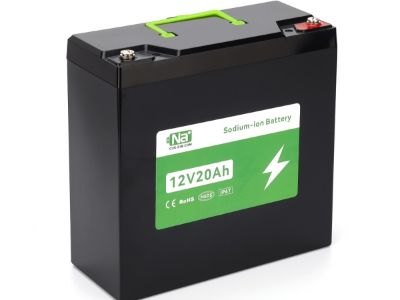
Na-ion batteries are becoming increasingly popular in a wide range of devices, especially where space is limited. At Mingtu, we understand that energy density and battery size are critical factors when selecting power solutions for compact electronics. While Na-ion sustainable energy batteries offer reliable energy storage, they also present certain challenges for manufacturers looking to integrate them into space-constrained applications. Our goal is to help businesses and consumers find battery solutions that maximize performance without compromising design flexibility.
What Are the Common Challenges of Using Na-Ion Batteries in Compact Devices?
One of the primary challenges associated with Na-ion batteries in small devices is their weight. Compared to some alternative battery technologies, Na-ion batteries can be heavier, potentially making products feel bulkier. In portable electronics, every gram matters, and consumers increasingly expect lightweight, comfortable devices.
Battery size is another important consideration. Na-ion batteries may require more physical space than other battery types, limiting how slim or compact a product can be. In some cases, battery dimensions may force design modifications or reduce the space available for other components.
Heat management is also a key concern. During operation, Na-ion batteries can generate heat, particularly in compact devices where airflow is limited. Without effective thermal management, excess heat can affect performance and potentially damage sensitive electronic components.
Additionally, some Na-ion batteries may offer shorter runtimes compared to more mature battery technologies. As a result, users may need to recharge devices more frequently, which can impact convenience and overall user satisfaction.
At Mingtu, we continuously research and develop innovative solutions to address these challenges, helping manufacturers integrate Na-ion batteries into compact products more effectively.
How to Choose Na-Ion Batteries for High Energy Density and Space Efficiency?
When selecting a Na-ion battery, energy density should be one of the first factors to evaluate. Energy density refers to the amount of energy a battery can store relative to its size. Higher energy density allows devices to operate longer without increasing battery weight or dimensions.
Advanced battery materials and cell designs are helping improve the energy density of modern Na-ion batteries. At Mingtu, we invest heavily in research and development to create batteries that deliver more power in smaller packages.
Battery shape and form factor are equally important. Custom-designed battery configurations can fit into irregular spaces within compact devices, maximizing available room for other components. Much like fitting together pieces of a puzzle, the right battery design can significantly improve overall product efficiency.
Another important consideration is cycle life. Batteries with longer lifespans reduce maintenance requirements and replacement costs while improving user satisfaction.
Finally, evaluate the battery's thermal performance. Effective heat management ensures stable operation, protects device components, and extends battery life. Choosing batteries with strong thermal characteristics can help prevent overheating and maintain consistent performance in compact applications.
Mingtu focuses on balancing energy density, space efficiency, and reliability to provide battery solutions that meet the evolving needs of modern electronics.
The Benefits of Na-Ion Battery Technology.
Na-ion batteries offer several advantages that make them increasingly attractive in today's energy storage market.
One of the most significant benefits is the use of sodium instead of lithium. Sodium is abundant, widely available, and significantly less expensive than lithium. As global demand for batteries continues to grow, access to affordable raw materials becomes increasingly important.
Na-ion batteries also provide competitive energy storage capabilities, allowing devices and systems to operate efficiently without requiring excessive battery size.
Safety is another major advantage. Compared to some lithium-based technologies, Na-ion batteries generally present a lower risk of thermal runaway, reducing the likelihood of fire or explosion. This makes them particularly attractive for applications where safety is a top priority.
Environmental sustainability is also a key strength. Because sodium is abundant and easier to source, Na-ion batteries can help reduce the environmental impact associated with raw material extraction. Companies like Mingtu are committed to developing battery technologies that support both performance and sustainability goals.
As research and development continue, Na-ion batteries are expected to play an increasingly important role in consumer electronics, renewable energy systems, and electric mobility solutions.
How Na-Ion Battery Designs Address Space Constraints Across Industries?
Space limitations are a common challenge across many industries, making compact battery solutions highly valuable.
In electric vehicles, battery systems must fit within limited spaces while delivering sufficient power and driving range. Advanced Na-ion battery designs allow manufacturers to optimize available space without sacrificing performance.
The consumer electronics industry faces similar challenges. Smartphones, tablets, wearable devices, and laptops require batteries that are compact, lightweight, and capable of delivering all-day performance. Modern Na-ion eco friendly batteries technology offers promising solutions for these increasingly demanding applications.
Renewable energy systems also benefit from space-efficient battery designs. Solar and wind installations often require energy storage solutions that fit within restricted installation areas while providing reliable backup power.
At Mingtu, we continuously refine battery architectures to maximize energy storage within compact form factors. This enables manufacturers across multiple industries to overcome design constraints while maintaining high levels of performance and reliability.
Where to Find High-Quality Na-Ion Batteries for Compact Applications?
Choosing a reliable battery supplier is just as important as selecting the right battery technology. Working with experienced manufacturers ensures consistent quality, safety, and performance.
Mingtu specializes in advanced Na-ion battery solutions designed for a wide range of applications, from portable electronics to industrial systems. Our batteries undergo strict quality control processes to ensure they meet demanding performance standards.
When sourcing Na-ion batteries, it is important to review technical specifications, certifications, and customer feedback. Reputable suppliers should provide transparent product information and responsive technical support.
Many businesses purchase directly from manufacturers or authorized distributors to ensure product authenticity and access to expert guidance. At Mingtu, our team works closely with customers to recommend the most suitable battery solutions based on specific application requirements.
As Na-ion technology continues to evolve, partnering with a trusted supplier can help businesses take full advantage of the latest advancements while ensuring long-term reliability and performance.
Conclusion
Na-ion batteries are emerging as a promising energy storage solution for compact devices and space-constrained applications. While challenges such as size, weight, heat management, and energy density remain important considerations, ongoing technological advancements are rapidly improving performance.
By carefully evaluating factors such as energy density, cycle life, thermal performance, and form factor, manufacturers can successfully integrate Na-ion batteries into a wide variety of products. With their affordability, safety, and environmental benefits, Na-ion environmentally safe batteries are well-positioned to play a significant role in the future of energy storage.
At Mingtu, we remain committed to delivering innovative, high-quality Na-ion battery solutions that help businesses achieve greater efficiency, reliability, and sustainability.
Table of Contents
- What Are the Common Challenges of Using Na-Ion Batteries in Compact Devices?
- How to Choose Na-Ion Batteries for High Energy Density and Space Efficiency?
- The Benefits of Na-Ion Battery Technology.
- How Na-Ion Battery Designs Address Space Constraints Across Industries?
- Where to Find High-Quality Na-Ion Batteries for Compact Applications?
- Conclusion