
 EN
EN


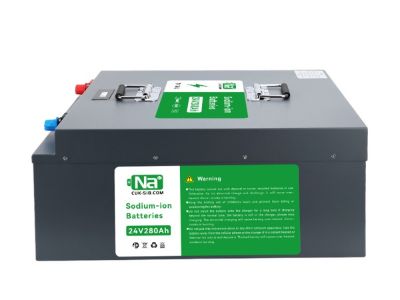
Na-ion batteries are getting popular for smart grid storage. They use sodium ions, which are plenty and cheaper than lithium. Smart grids help spread electricity better and can hold energy from renewables like wind or solar. This matters because it lets us use clean power even if the sun is not shining or the wind stops blowing. Companies such as Mingtu work on good Na-ion batteries to support these grids. Picking na ion battery can make the future greener, with energy being cheaper and more reliable for all.
What Are the Key Advantages?
Na-ion batteries have lots of pluses that make them nice for smart grids. First off, they cost less to make than lithium-ion ones. That's because sodium is common on earth, while lithium is scarcer. When na battery are cheaper, energy firms save cash, and that leads to lower prices for users. In addition, Na-ion batteries are friendlier to the environment. They don't need rare materials, so there is less mining, and this is good for the planet, helping keep nature safe.
Another good thing is that Na-ion batteries work fine in various temperatures. They handle hot or cold weather, making them suitable for different places. This is key for smart grids that must run steadily anywhere. Moreover, these batteries last longer than some others. So they don't need replacing often, which saves money and cuts waste.
Na-ion batteries also store a good amount of energy, holding lots of power from renewables that are unpredictable. For instance, on sunny days, extra solar energy can be saved for later, making the supply stable. And as technology gets better, natrium ion battery performance will improve even more. Mingtu is already making improved versions, so we can trust this technology for a long time.
Where to Find the Best Wholesale Na-ion Batteries for Smart Grids?
If you look for top wholesale Na-ion batteries for grid needs, start with battery makers. Mingtu provides a range of quality Na-ion batteries that fit modern grids. It's smart to check different suppliers to find the best one for your work. When picking a supplier, think about cost, quality, and how trusted the seller is.
You can search online for wholesale Na-ion batteries, where makers show their products. Check reviews to make sure the company is reliable. Or call suppliers directly to ask questions or get samples. That's a good way to test if the batteries suit your needs before making a big purchase.
See if the supplier gives help with using batteries in grids. Good service helps a lot, especially if you are new to Na-ion batteries. Also, check delivery options and whether they send products on time.
Going to trade shows helps too. They show new technology and let you meet makers face to face. You can learn about products and connect with people for future projects. Remember, the right batteries are key for a good grid, so do your research carefully.
What You Need to Know About Na-ion Battery Performance in Smart Grids?
Na-ion batteries are becoming a key pick for smart grids. These grids manage electricity in an efficient way. The batteries store extra energy on sunny or windy days and release it when needed. One cool part about Na-ion batteries, made from sodium, is that they are cheaper than lithium-ion batteries. Sodium is found everywhere, so it is affordable and easy to get. Mingtu thinks Na-ion batteries can help create better energy systems.
The performance of Na-ion batteries is solid. They charge and discharge fast, keeping up with changes in the grid. For example, during evenings when many people use power at home, Na-ion batteries can provide extra energy quickly. They also last a long time, which is important for reliable energy storage.
In addition, Na-ion batteries work in different temperatures. So they can be used in various places without losing power. Mingtu Na-ion batteries are built strong and steady, making them great for grid storage. Overall, if you want a better energy future, Na-ion batteries are a wise choice.
What to Watch Out For?
Na-ion batteries have benefits, but there are some things to note. They are still developing, so researchers are working to improve them. New technology sometimes has issues. For example, Na-ion batteries may not last as long as top lithium-ion batteries. But with advances, they will become more reliable.
Watch how they handle many charge cycles. Batteries usually lose capacity over time. Na-ion batteries do well in tests, but real-world use needs monitoring. Mingtu monitors this closely to keep standards high for grid storage.
Also, as a newer technology, make sure the batteries are made safely. They should use the right materials and good production processes. Mingtu is committed to safe production, which is good for both the environment and people. Knowing these things helps you make better choices for smart grids.
What Are the Environmental Benefits of Na-ion Batteries for Energy Storage?
Picking Na-ion batteries for energy storage brings environmental pluses. A big one is that sodium is more common than lithium. So there is less worry about running out of materials for manufacturing. Using easily available materials helps the planet and supports a sustainable future. Mingtu sees value in using non-harmful raw materials, which is why we focus on Na-ion batteries.
Another plus is reducing pollution. Storing wind or solar energy cuts the use of fossil fuels. Fossil fuels create pollution and contribute to climate change. Switching to Na-ion batteries can make a positive change, creating cleaner air for everyone.
Plus, Na-ion batteries can be recycled. At the end of their life, they can be processed and reused in new batteries or other products. This cuts waste and keeps materials in circulation. Mingtu makes batteries that are both effective and planet-friendly. Choosing Na-ion batteries for smart grids helps create a greener energy future for everyone.