
 EN
EN


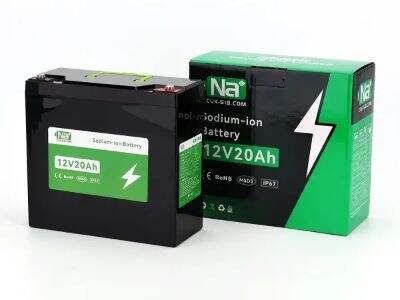
Sodium-ion batteries and lithium-ion batteries are both commonly used types of batteries today. They are important components in many devices, including smartphones, electric vehicles, and energy storage systems. What is the difference between these two batteries, and which one is better suited to your needs? Mingtu have been analyzing these lithium sodium battery to help customers determine which may be appropriate for their uses.
What Wholesale Buyers Need to Know?
As a wholesale buyer, choosing the right battery type for your products may be confusing. Sodium-ion batteries are increasingly popular, due to the fact that they utilize sodium rather than lithium. Sodium is a more abundant element and tends to be more cost-effective, potentially resulting in lower prices for your business when buying in bulk. Sodium-ion batteries are a newer technology, and they are not yet at the same performance level as lithium-ion batteries for high-energy applications. In particular, lithium-ion batteries are commonly found in smartphones, owing to their energy density and longevity. Sodium-ion batteries are however quite suitable in a number of circumstances where cost-effectiveness is a priority. For example, they can be used in grid-scale energy storage to store solar and wind power. Before making a choice between sodium-ion and lithium-ion, determine the most important criteria for your customers. High performance will favor the lithium-ion option, while a focus on low cost would favor the sodium-ion battery. The experts at Mingtu will help clarify these choices, and guide you toward a wise decision.
Comparison of Sodium-ion and Lithium-ion Tech for Wholesale Buys
There are a number of issues to consider when comparing sodium-ion technology to lithium-ion when buying in bulk. Sodium-ion is less mature than lithium-ion and may have less long-term reliability history to draw on. However, sodium-ion could be extremely cost effective in applications. For example, the purchase of batteries in bulk by energy providers to create grid-scale storage could be a highly cost effective purchase of sodium-ion, if energy density is less of a factor (and a physically larger battery can be accommodated in the project.) Other advantages to sodium-ion batteries are related to their impact on the environment; Sodium is more widely available and easier to source, reducing impacts associated with lithium mining. Companies with a particular focus on environmentally responsible sourcing may prefer the sodium-ion technology. Mingtu recognizes that every purchase decision is unique, and we are dedicated to providing you with the relevant information necessary to make informed choices. By evaluating the pros and cons of each battery type, you are equipped to make a purchase decision that meets the objectives of your business.
Where to Find the Best Deals on Sodium-ion versus Lithium-ion Batteries?
When shopping for good prices for sodium-ion and lithium-ion batteries, you will want to identify some optimal sources. Many consumers initially think of the well-known electronic stores, as well as generic online vendors. While these vendors will offer decent prices, some locations can be found that are more affordable. Specialty battery shops are a better bet, given that their stock of batteries is often larger and the customer service may be more knowledgeable regarding the latest technology.
There are a lot of battery shops which are selling their products on sale or a discount, which would not happen at a normal electronics store. Shopping online is also an option, which would sometimes be cheaper, because sellers like Mingtu could sell batteries for a cheap price in bulk, so that customers buy a lot of batteries at once and save a large sum of money.
Do the reviews on batteries before you buy it, as it could be your best guide for whether it would be working properly or whether it is a good quality product or not. Searching on the internet has its advantages as the customers are also doing searches on products and also one can also look up on comparison tools for the lowest price. The purchase can also beeco-friendly, as some groups could be selling a lot of batteries from old, wasted ones and one could buy a good cheap product and also be able to help the environment.
Engaging in online communities or forums dedicated to battery technology can be very useful as well, as others are likely to know about special deals, promotions or coupon codes. Utilizing some of these resources can enable you to make the best bargain on the right sodium ion battery for your needs, both now and in the long run.
How to Choose Between Sodium-ion and Lithium-ion Batteries for Applications?
There are many situations when choosing between sodium-ion and lithium-ion batteries can be daunting, but this doesn’t need to be complicated. To start, you should decide what the battery will be used for; lithium-ion is the better choice for high energy needs such as solar storage, while sodium-ion has been a successful application for grid-level storage. While sodium-ion batteries can perform many of the same roles as lithium-ion, they have limitations when it comes to small-scale application. A portable device would perform much better with the more compact lithium-ion, which will perform over a longer period. Additionally, a decision between the two may be influenced by lifespan and expected use cycle; lithium-ion will have a longer lifespan and greater energy density, while sodium-ion may become a preferred alternative for applications where high levels of energy is not required. You also need to consider the potential risks. Both batteries are relatively safe, however it is considered possible for lithium-ion to catch fire, although this is uncommon with a properly manufactured battery. A further consideration for you should be the availability; in some cases, you may not find much sodium-ion stock locally, meaning the choice might be pre-determined for you.
Where to Source High-Quality Sodium-ion Batteries for Wholesale?
If you are considering purchasing sodium-ion batteries wholesale, you must carefully select a vendor that can be trusted to supply high quality goods. Well-established, large companies that specialize in producing batteries may be considered reliable providers, as a large company will have the quality control systems to produce well made goods consistently. Research into how long the company has been involved in the battery industry will help indicate how knowledgeable and dependable they are likely to be. The ability to supply certified batteries is another indication that they produce safe, reliable products. Examining the testimonials that are written by other businesses is also helpful, and provides a view into how the goods are performing for customers. It is worth attending trade fairs or industry events where you can directly interact with battery manufacturers. That way, you can see how a product actually performs, talk about the battery specifications directly with those producing them, and ultimately get exactly what you want. Finally, don’t forget about warranties; a trustworthy vendor will be happy to provide this guarantee that the sodium ion battery meets the expected standards. By considering the criteria listed above, you can find a reliable supplier and make an informed choice that is right for your wholesale business.
Table of Contents
- What Wholesale Buyers Need to Know?
- Comparison of Sodium-ion and Lithium-ion Tech for Wholesale Buys
- Where to Find the Best Deals on Sodium-ion versus Lithium-ion Batteries?
- How to Choose Between Sodium-ion and Lithium-ion Batteries for Applications?
- Where to Source High-Quality Sodium-ion Batteries for Wholesale?