
 EN


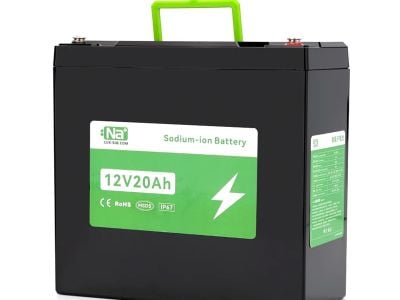
Sodium-ion batteries are emerging as a reliable solution for data center backup systems, offering a combination of high safety, low cost, and fast charging capabilities. As businesses increasingly rely on uninterrupted power supplies, understanding the specifications, purchasing considerations, installation practices, and common issues associated with sodium-ion batteries becomes essential for purchasing managers, engineers, and other professionals involved in data center operations. This article will provide valuable insights into sodium-ion batteries, helping you make informed decisions for your backup power needs.
Key Specifications of Sodium-Ion Batteries for Efficient Backup Systems
When evaluating sodium-ion batteries for data center backup systems, several key specifications should be considered:
Energy Density: This measures the amount of energy stored per unit weight, which is crucial for optimizing space in data centers. Ideally, a higher energy density allows for more compact battery systems.
Cycle Life: The number of charge-discharge cycles a battery can undergo before its capacity significantly degrades is vital. Look for batteries with a high cycle life to ensure longevity and reduced replacement costs.
Charging Time: Fast charging capabilities are essential to minimize downtime. Assess the time required for the battery to reach a full charge, especially in critical backup scenarios.
Temperature Range: Data centers often experience varying temperatures. sustainable energy batteries should perform efficiently across a wide temperature range to ensure reliability in different environmental conditions.
Safety Features: Given the critical nature of data centers, safety is paramount. Ensure that the batteries come with built-in safety mechanisms to prevent overheating and other risks.
Understanding these specifications helps you select the right sodium-ion battery system that meets your data center's operational requirements.
Wholesale Purchasing Guide for Sodium-Ion Batteries in Bulk
When purchasing sodium-ion batteries in bulk, consider the following guidelines to streamline the process:
Supplier Evaluation: Research potential suppliers thoroughly. Look for manufacturers with proven experience in sodium-ion technology and strong production capabilities, such as Zhejiang Mingtu Electrical Technology Co., Ltd., which specializes in high-quality sodium-ion batteries.
MOQ (Minimum Order Quantity): Confirm the supplier's MOQ, which can vary significantly. Some may require large orders, while others offer flexibility for smaller purchases. Understanding this upfront can help in budgeting.
Customization Options: Some projects may require specific configurations or features. Discuss customization options with your supplier to ensure the batteries fit your unique application needs.
Lead Times: Inquire about production and delivery lead times to avoid disruptions in your supply chain. Factor in any potential delays that could arise from customizations.
Quality Assurance: Ensure that the supplier has robust quality control processes in place. Request documentation of quality certifications and testing procedures to verify that the batteries meet industry standards.
By following these guidelines, you can effectively source environmentally safe batteries that align with your data center's backup power requirements.
Installation Best Practices for Sodium-Ion Battery Systems in Data Centers
Proper installation of sodium-ion battery systems is critical for optimizing performance and safety. Consider these best practices:
Site Preparation: Ensure the installation area is clean, dry, and well-ventilated. This helps maintain optimal operating conditions and prolongs battery life.
Electrical Compatibility: Verify that the existing electrical systems are compatible with the sodium-ion battery specifications. This includes checking voltage levels, current ratings, and necessary protective devices.
Temperature Control: Install batteries within recommended temperature ranges to enhance performance. If necessary, consider integrating cooling systems to manage heat effectively.
Clearance and Accessibility: Maintain adequate clearance around the batteries for ventilation and future maintenance. Easy access is essential for routine inspections and potential troubleshooting.
Safety Measures: Implement safety protocols during installation, such as using appropriate personal protective equipment (PPE) and following manufacturer guidelines to prevent accidents.
By adhering to these installation practices, you can ensure that rechargeable batteries systems operate efficiently and safely within your data center.
Cost Factors to Consider When Buying Sodium-Ion Batteries Wholesale
Understanding the cost factors associated with sodium-ion batteries is essential for effective budgeting. Here are key considerations:
Unit Price: The base price per battery unit is a primary cost factor. Compare pricing across different suppliers while considering the specifications and features offered.
Customization Costs: If your application requires specific modifications, be aware that customization may incur additional costs. Discuss these with your supplier to get a clear picture of the potential impact on your budget.
Shipping and Handling: Factor in shipping costs, especially for bulk orders. Determine whether the supplier includes shipping in the unit price or charges separately.
Maintenance and Lifecycle Costs: Evaluate the overall lifecycle costs, including maintenance and potential replacement expenses. Batteries with a longer cycle life and robust warranties may offer better long-term value.
Incentives and Grants: Research any available incentives or grants for using sodium-ion technology, as these can help offset initial costs.
By considering these factors, you can make a more informed purchasing decision that aligns with your budgetary constraints.
Common Issues with Sodium-Ion Batteries and Effective Solutions
While sodium-ion batteries are a promising technology, they can encounter certain issues. Here are some common problems and their solutions:
Capacity Fade: Over time, batteries may experience a reduction in capacity. To mitigate this, ensure that the charging and discharging cycles are managed properly, avoiding extreme depths of discharge whenever possible.
Thermal Runaway: Although sodium-ion batteries are designed with safety features, overheating can still occur. Implement temperature monitoring systems to detect and address overheating before it leads to failure.
Compatibility Issues: Some data center equipment may not be compatible with sodium-ion batteries. Conduct thorough compatibility assessments before installation to avoid performance issues.
Supply Chain Disruptions: Inconsistent supply can affect battery availability. Establish relationships with multiple suppliers to ensure a steady supply and reduce dependency on a single source.
End-of-Life Management: Proper disposal and recycling of batteries at the end of their life cycle are crucial. Work with suppliers who have established recycling programs to ensure compliance with environmental regulations.
By being aware of these common issues and their solutions, you can enhance the reliability and efficiency of sodium-ion batteries in your data center.
FAQ
What are the advantages of sodium-ion batteries over lithium-ion batteries for data centers?
Sodium-ion batteries generally offer lower costs, enhanced safety, and better performance in high-temperature environments, making them suitable for data center applications.
How do I assess the quality of sodium-ion batteries?
Quality can be assessed through supplier certifications, testing reports, and by reviewing the battery's specifications, including cycle life and safety features.
What is the expected lifecycle of sodium-ion batteries?
The lifecycle can vary depending on usage, but many sodium-ion batteries are designed to last several years with proper management and maintenance.
Table of Contents
- Key Specifications of Sodium-Ion Batteries for Efficient Backup Systems
- Wholesale Purchasing Guide for Sodium-Ion Batteries in Bulk
- Installation Best Practices for Sodium-Ion Battery Systems in Data Centers
- Cost Factors to Consider When Buying Sodium-Ion Batteries Wholesale
- Common Issues with Sodium-Ion Batteries and Effective Solutions