
 EN
EN


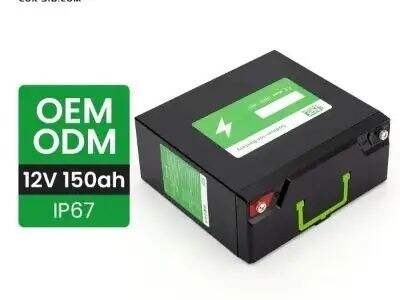
When using Na-ion battry in industrial stuff, it is very important to match their voltage with the tools you using. This help everything work smooth together. Mingtu know that getting this right can boost performance and save time plus money. If the voltage too high or too low, machines can break or not work good. Making sure the battery voltage fit the equipment is a key part of keeping all running proper. So, let's see how to do this and some common problems you might face
How to Match Na-ion Battery Voltage for Good Industrial Work
To make sure Na-ion batteries work fine with industrial machines, you first need know the voltage needs of your tools. Each equipment has a specific voltage it need to run. For example, if a machine need 24 volts, but your Na-ion battery only give 20 volts, the machine might not work. It could even damage. So always check the voltage ratings. You can find this in the equipment manual or on the machine. Next, if battery voltage too high, you can use a voltage regulator to lower it. This device make sure your equipment get the right power amount. Another way is to look for batteries that match the needed voltage for your machines. Mingtu offer various Na-ion batteries with different voltage levels, which make it easy to find the perfect one
And, pay attention to how you connect the battery to equipment. Wrong connections can cause issues. A loose or bad connection lead to power loss or even short circuits. If you unsure about connecting, ask a technician for help. In addition, maintain your batteries regular. Dirty terminals or corrode cables can affect how it perform, causing voltage drops. Keeping all clean and well-maintained help ensure equipment runs at best. Lastly, think about the power needs of your equipment. Some machines may require more energy at start-up, which different from running voltage. Make sure your Na-ion battery can handle these extra. Always do checks and tests before fully put a new battery in your system. This care save you from future problems and expensive fixes
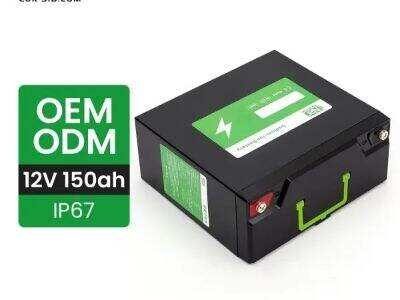
Common Problems When Matching Na-ion Battery Voltage with Equipment
One common problem with Na-ion batteries is the voltage tolerance differ between battery and equipment. Sometimes, even if voltages seem match, there small differences that cause trouble. For example, if a battery rated for 24 volts but actually deliver 23 volts, some machines might not work right. This true especially for sensitive equipment that need precise voltages. It crucial to measure the actual output of battery using a multimeter before install
Another issue is the capacity of the battery. If a Na-ion battery have lower capacity than what equipment needs, it may run out power quick, which interrupt work. This often get overlooked, so always check capacity in amp-hours (Ah) to ensure it meet demands. If not, you might find machines shutting down when you need most
With this, environmental factors can affect battery work. Heat, cold, and humidity change how good a battery perform. For instance, Na-ion batteries can lose power in extreme cold. If equipment operate in harsh conditions, you need consider these and choose batteries made for such places
Another problem is the charging system. If charging system not match battery specs, it can lead to overcharge or under-charge. This shorten battery life or even damage it. Always read charging guidelines from Mingtu or manufacturers to avoid. Finally, many users forget about battery lifespan. Over time, batteries lose ability to hold charge. Regular check condition of your Na-ion batteries, and replace when necessary to keep equipment running smooth
By know these common issues and take steps to fix, you can ensure Na-ion batteries work well with industrial equipment. That’s why it help keep everything run smooth and efficient
How to Pick Right Na-ion Battery Voltage for Your Industrial Stuff
Picking the right voltage for a sodium-ion (Na-ion) battery is very important for industrial machines. First, you need understand what voltage mean. Voltage like the push that make electricity move. If voltage too low, equipment might not work well. If too high, it can damage equipment. To find correct voltage, start by check the equipment you plan use. Most machines have label show voltage they need. This usually in volts (V). Make sure match Na-ion battery voltage to what equipment require
Next, consider size of equipment. Bigger machines might need higher voltage, while smaller ones usually work with lower. You also think about how many batteries you use. Sometimes, connect batteries in series can increase voltage. For example, if one battery has 3.5V and you need 7V, connect two together. But always check manual to see if it allow this
Another factor is how equipment will be used. If it run all day, you might need battery with higher voltage to keep smooth. On other hand, if machine used short times, lower voltage may enough. It's good idea to talk experts like at Mingtu, who can help choose right voltage for your needs. They have experience with Na-ion batteries and guide you best choice
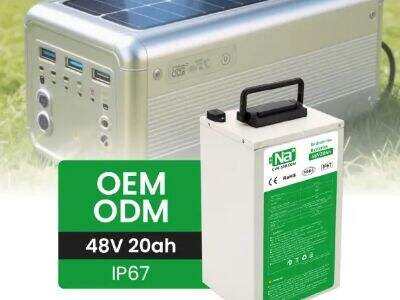
Best Ways to Integrate Na-ion Batteries in Industry
Putting Na-ion batteries into industrial equipment need careful plan and good practices. First, ensure battery system compatible with existing machines. This mean check if Na-ion battery can work well with what you have. Take time read specs of both batteries and equipment. It essential they match to avoid problems
Another good practice is install batteries correct. Follow guidelines from manufacturer, and if possible work with trained pros. Proper install prevent accidents and make batteries work safe and efficient. You should think about where place batteries. They need area with good ventilation to avoid overheat. Keep at right temperature help them perform better and last longer
Regular maintenance also very important. Make sure check batteries often to see if working correct. Look for signs of wear, like rust or leaks. If notice problems, fix right away. This prevent bigger issues later. Mingtu suggest keep log of battery performance. So you track changes over time and know when replace
Training staff is critical for integrating Na-ion batteries. Ensure everyone who work with them understand safe use. Provide training so they know handle and maintain proper. This knowledge promote safer environment and help batteries perform best
How to Make Na-ion Batteries Last Long in Industrial Equipment
To make Na-ion batteries perform good for long time, there several steps you can take. First, important to charge batteries correct. Overcharge can damage, while under-charge lead to poor work. Always follow manufacturer instructions for charging. It helpful use smart charger that adjust speed based on battery needs. This extend life of batteries
Another way for long-term is monitor battery health regular. Use tools check voltage and capacity. If see drop in performance, may time to replace. Keeping eye on them help catch problems early. Mingtu offer monitoring solutions to track battery systems easy
Temperature control vital too for battery work. Na-ion batteries do best in stable environment, so try keep in temperature-controlled area. Avoid extreme heat or cold, as this shorten lifespan. If equipment used outdoors, consider protective covers to shield from elements
Finally, make sure use batteries regular. If sit unused long, they lose charge and capacity. Create schedule for using equipment powered by Na-ion to keep good shape. By follow these and work with trusted like Mingtu, you can ensure Na-ion batteries give reliable work for many years
Table of Contents
- How to Match Na-ion Battery Voltage for Good Industrial Work
- Common Problems When Matching Na-ion Battery Voltage with Equipment
- How to Pick Right Na-ion Battery Voltage for Your Industrial Stuff
- Best Ways to Integrate Na-ion Batteries in Industry
- How to Make Na-ion Batteries Last Long in Industrial Equipment